Farewell to Euboea
Euboea is now behind us, and we have to admit that we already miss the island. It may sound like a luxury problem, but the Peloponnese, beautiful as it is, can’t hold a candle to Euboea in our eyes. Perhaps it’s the untouched nature, the peace and the little-visited places that we came to appreciate so much on Euboea. There we could hike, explore and simply relax away from the tourist crowds. Of course it’s a matter of taste, and everyone has their own preferences when it comes to travel. So please don’t read too much into this statement, because the Peloponnese also has its very own charms. But for now Euboea remains unbeaten for us.

Athens – more than just the Acropolis
Despite my recent decision not to write about Athens, the Greek capital definitely deserves a few words. Athens has an undeniable energy that captivates every visitor. The city is positively buzzing – from the busy streets to the impressive sights. Of course Athens is known above all for the Acropolis and its ancient heritage, but what fascinates us most is the mix of history and modernity that defines the city.
Just walking through the streets, you feel as if you’re in a living open-air museum. The graffiti scene in particular is omnipresent in Athens and a true paradise for street-art lovers. In neighbourhoods like Exarchia you can wander the streets for hours with your eyes open and keep discovering new artworks. Here graffiti is seen not just as vandalism but as an expression of creativity and a political statement.

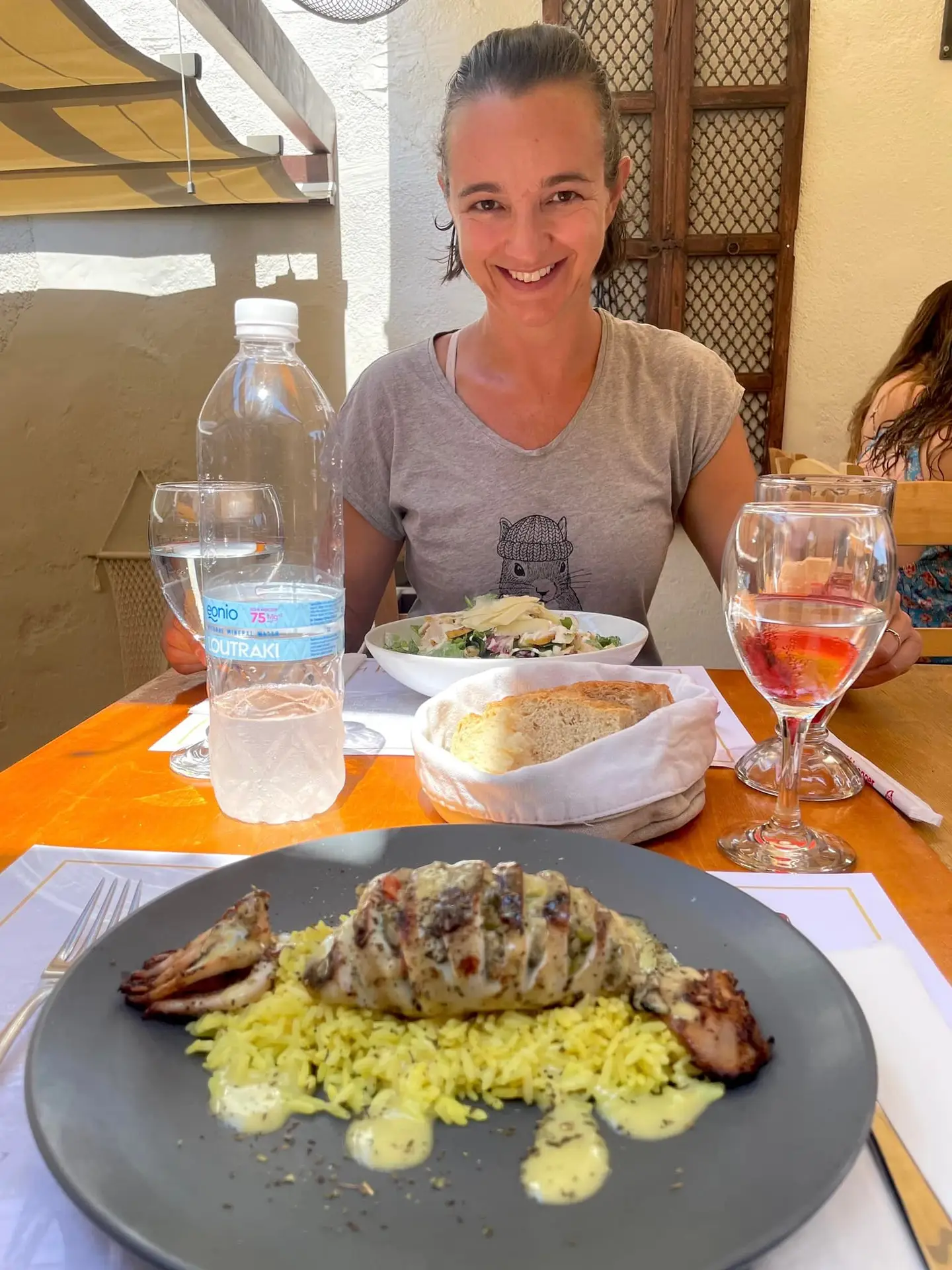
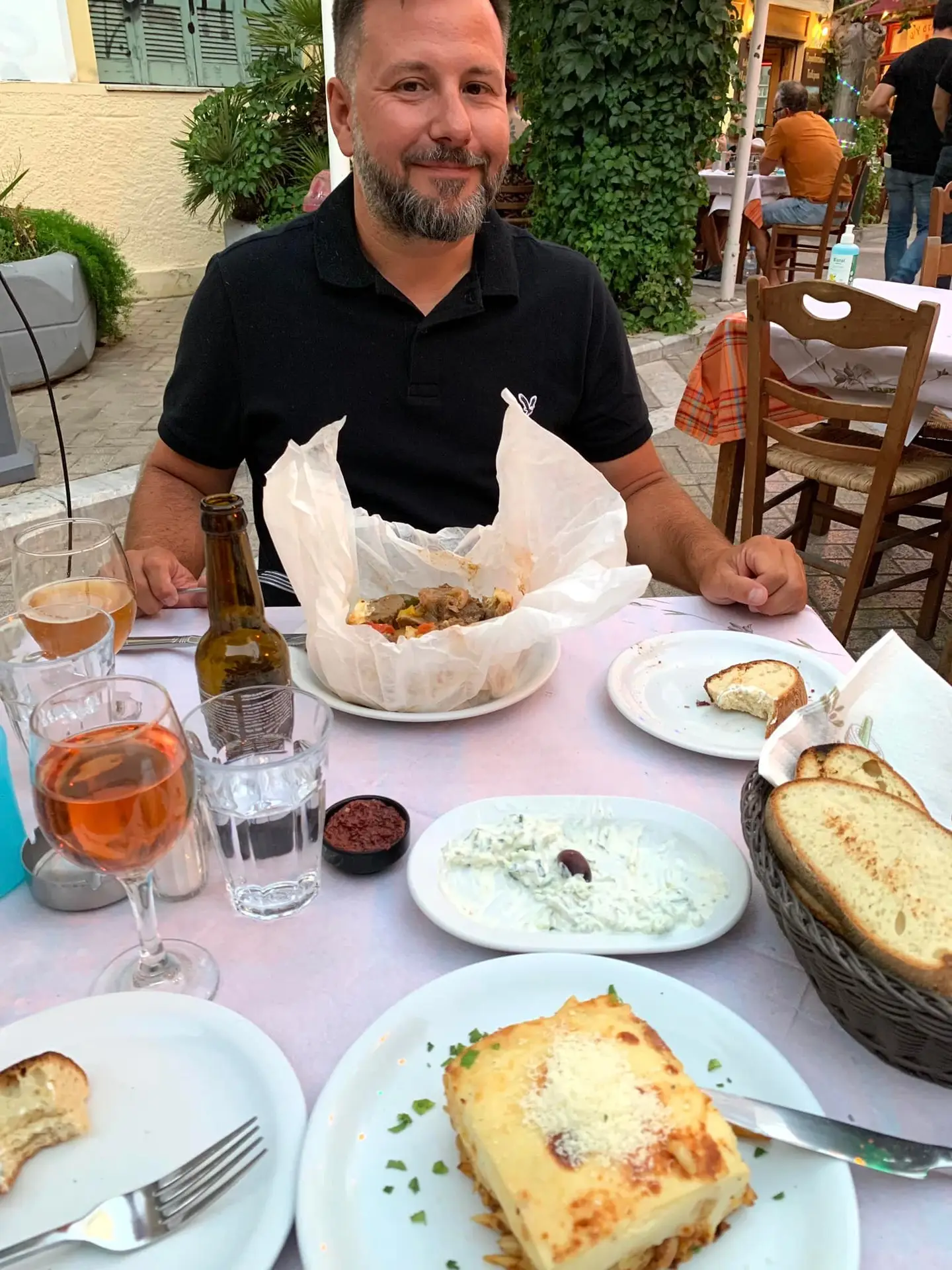
The food in Athens is an experience too. If you venture away from the tourist hotspots, you’ll discover the “real old Athens”, with its traditional tavernas and small bakeries frequented by locals. In the lanes of Plaka and Psiri in particular we enjoyed authentic Greek cuisine that can easily hold its own against the well-known tourist restaurants.
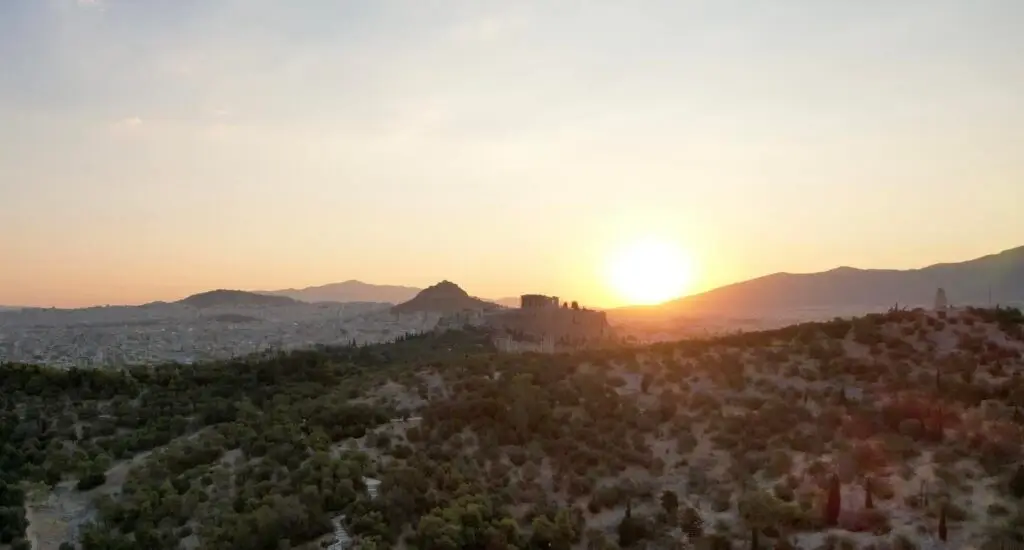
Another highlight for me was the view of the Acropolis from the air. Early in the morning I launched my drone to photograph the famous site from a different perspective. Unfortunately I wasn’t allowed to fly closer, as there is a no-fly zone over the Acropolis, but even from a distance the view was impressive and showed us the familiar image of this ancient site from a new angle.
On the way to the Peloponnese: the Cave of Seals and a "double beach"
After our short stay in Athens we continued towards the Peloponnese. On the way we made a detour to the “Cave of Seals”. This natural cave is a true wonder of nature that can only be reached on foot and offers a real sense of adventure. The climb is not entirely easy and you need sturdy shoes, but the path is rewarded with a unique view. It was especially nice that we were almost alone there – most visitors were put off by the steep climb, which gave us the chance to enjoy this undisturbed place all to ourselves.
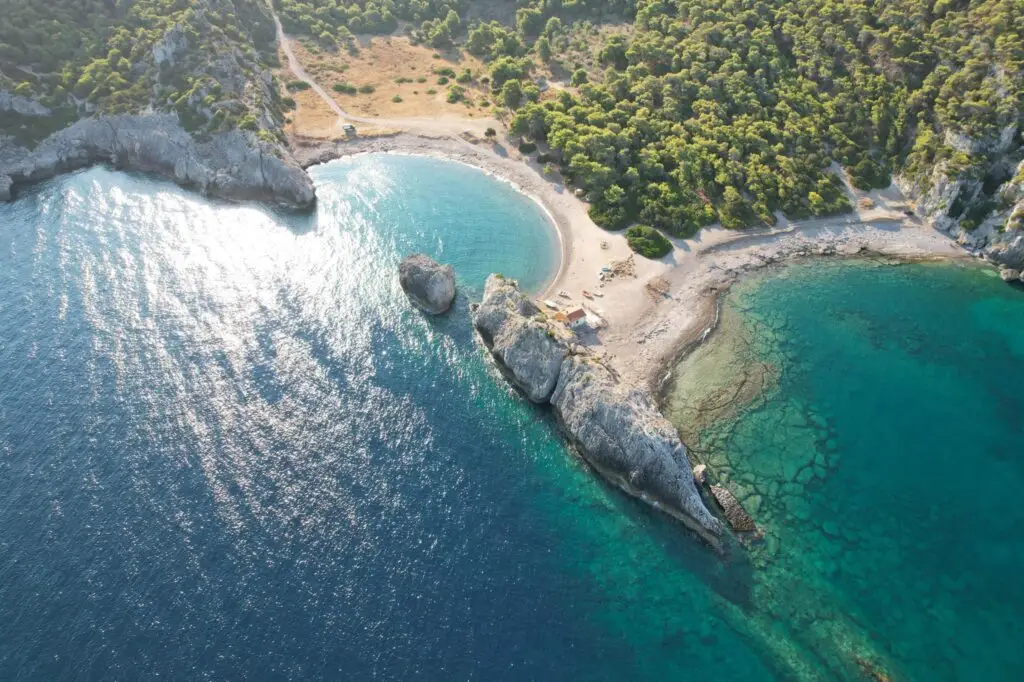
Nearby we found a beautiful “double beach” divided into two parts by a rock. The beach wasn’t completely deserted, but still quiet enough to relax. The sea view and the secluded atmosphere made our stay particularly pleasant. We stayed two days and enjoyed the clear water. Conny took the opportunity to test her SUP, and the snorkelling was simply perfect. The water was calm and clear – ideal for exploring the underwater world.
The Corinth Canal – more than just a bridge
Another highlight on our way was the Corinth Canal. The bridge spanning the canal may look unspectacular from afar, but when we got closer and stood at the railing, we quickly realised that this structure had more to offer than expected. The Corinth Canal, which connects the mainland with the Peloponnese, is an impressive feat of engineering. The sight of the narrow, deep canal winding almost 6 km through the land is truly impressive. If you’re lucky, you’ll even see ships passing through, which makes the whole scene even more striking. A short stop here is definitely recommended.

The Peloponnese: towns, beaches and relaxation
So now we’re in the Peloponnese, a region people have been raving about to us for a long time. The peninsula is famous for its small, charming towns and villages, shaped by a rich history and impressive architecture. An absolute highlight was our visit to Poros, a small island separated from the mainland by a narrow strait. The town’s distinctive clock tower is a landmark and offers a great view of the harbour and the sea.
Nafplio, one of the most beautiful towns in Greece, also delighted us. With its narrow lanes, historic buildings and picturesque squares, the town looks almost like a film set from antiquity. A visit to a small bar at the harbour was particularly unforgettable – here we had the best cocktails since our time in Cuba. But Nafplio is known not only for its beauty but also for its atmosphere, which gives you direct access to Greek culture.
Another jewel of the Peloponnese is Monemvasia, a medieval fortress town perched on a rock in the sea. The old town is almost completely preserved and conveys a unique sense of history. Here you can stroll through winding lanes and relax in small cafés and tavernas.
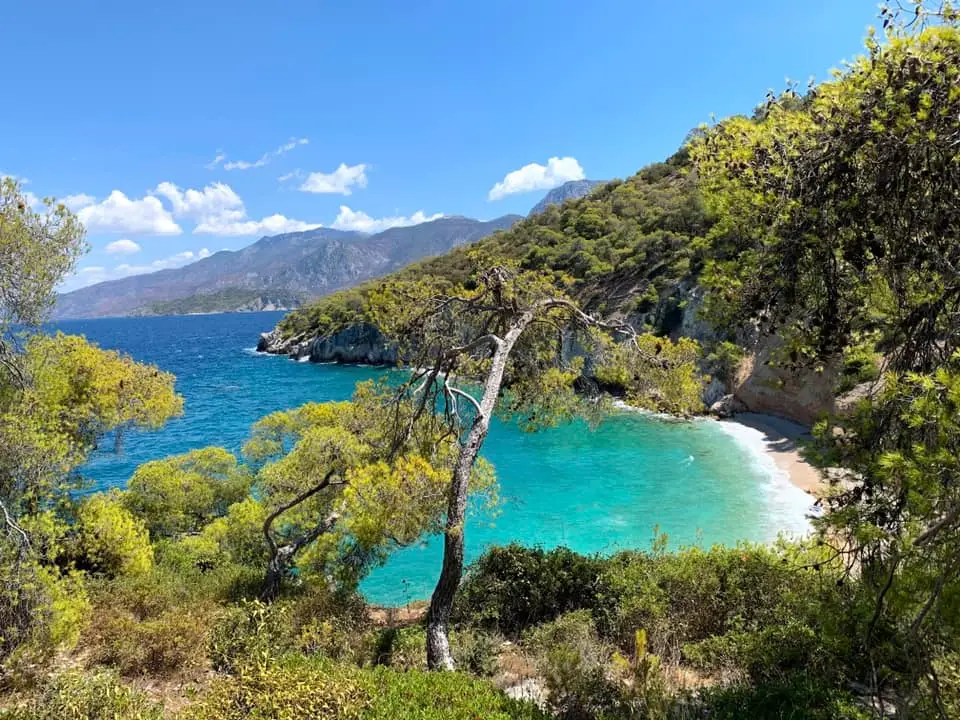
The beaches of the Peloponnese are just as inviting, even if they’re not quite as untouched as on Euboea. Still, again and again there are secluded coves that offer a little seclusion. The area around the Peloponnese’s “fingers” in particular enchanted us with its idyllic beaches and crystal-clear water. Now and then we even found a lonely taverna that spoiled us with fresh fish and traditional Greek cuisine.
A last look at the Peloponnese – what's still to come
Unfortunately we only have one week left before we have to take the ferry back home. We’re skipping the west of the Peloponnese this time, as it was described to us as overrun with tourists. Instead we’re focusing on the quieter parts of the peninsula, which we’ve liked very much so far. We still have a few places on our list to discover – from historic sites to remote beaches.
We’ll be in touch again when we’re back and report on the last part of our trip to Greece. Time flies, but we’re sure we’ll collect many more new impressions in the last few days.
Garage visit – the quirks of the Iveco
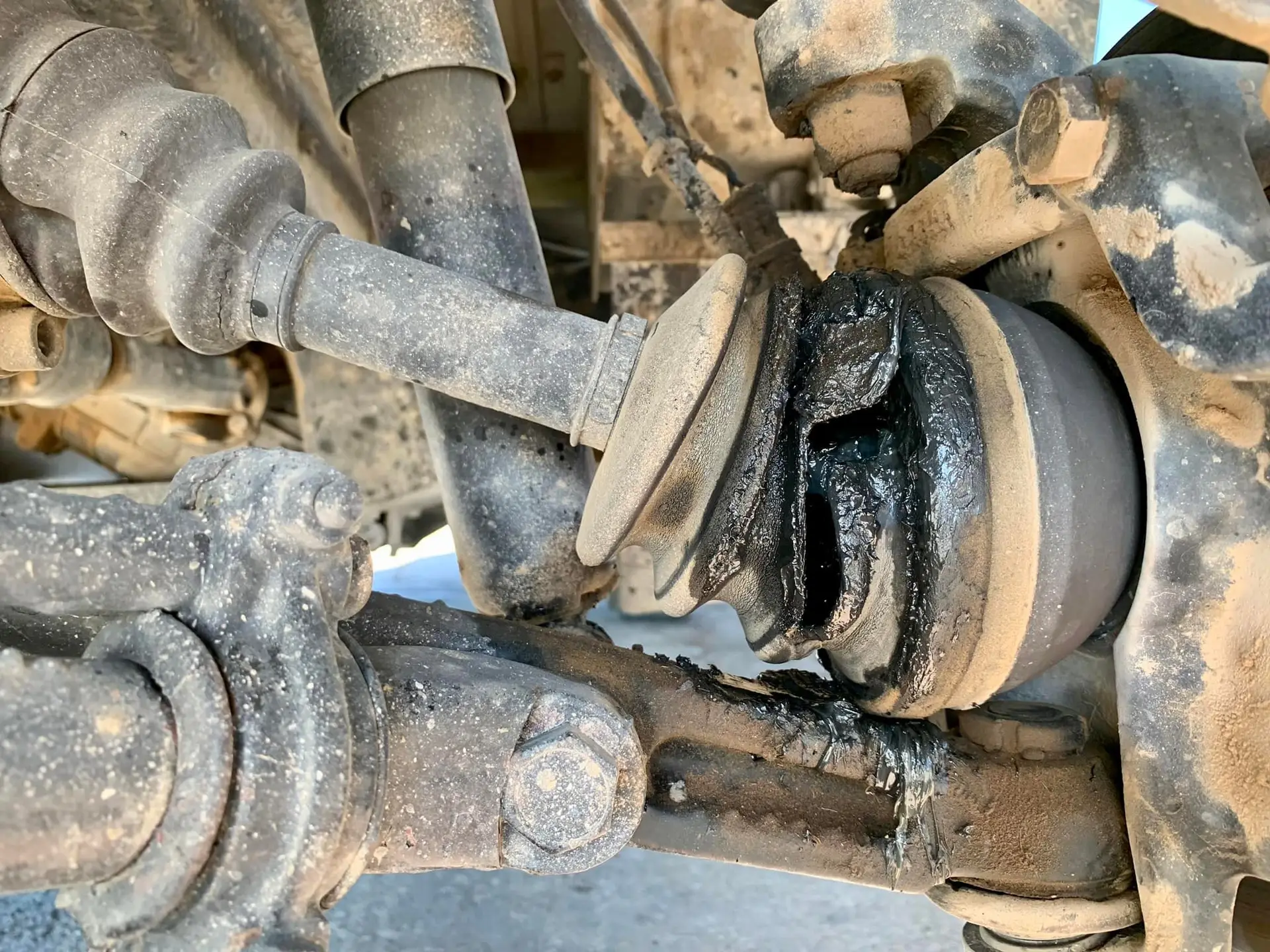
Once again there was the obligatory garage visit on our trip. Anyone who drives an Iveco knows the problem with the axle boots – unfortunately they keep breaking. Luckily, as experienced Iveco drivers, we always carry a spare. But even with a spare it’s not always easy to do the necessary repairs on the road. This is where Costas came in, a very helpful mechanic who helped us quickly and professionally. A big thank you to him for allowing us to continue our journey without major delays!